Research-led concept development for an ice-capable explorer yacht—designed around Polar Code realities.
This project started with a simple observation: many “explorer” yachts are optimized for looking rugged, not for actually operating in polar conditions beyond occasional summer visits. The goal of this study was to define a credible market position for a purpose-built polar yacht concept, and then translate that position into a coherent exterior/interior design direction and a realistic capability package.
We led the work from market research and positioning through to concept development and visualization. The research phase mapped sales trends and benchmarked the current explorer landscape, including how ice capability is typically specified and where the competitive set clusters. That analysis pointed to a clear opportunity: demand for very capable ice-breaking yachts may be niche, but it can be a strong differentiator—and it affects the entire design, from hull form to onboard logistics.
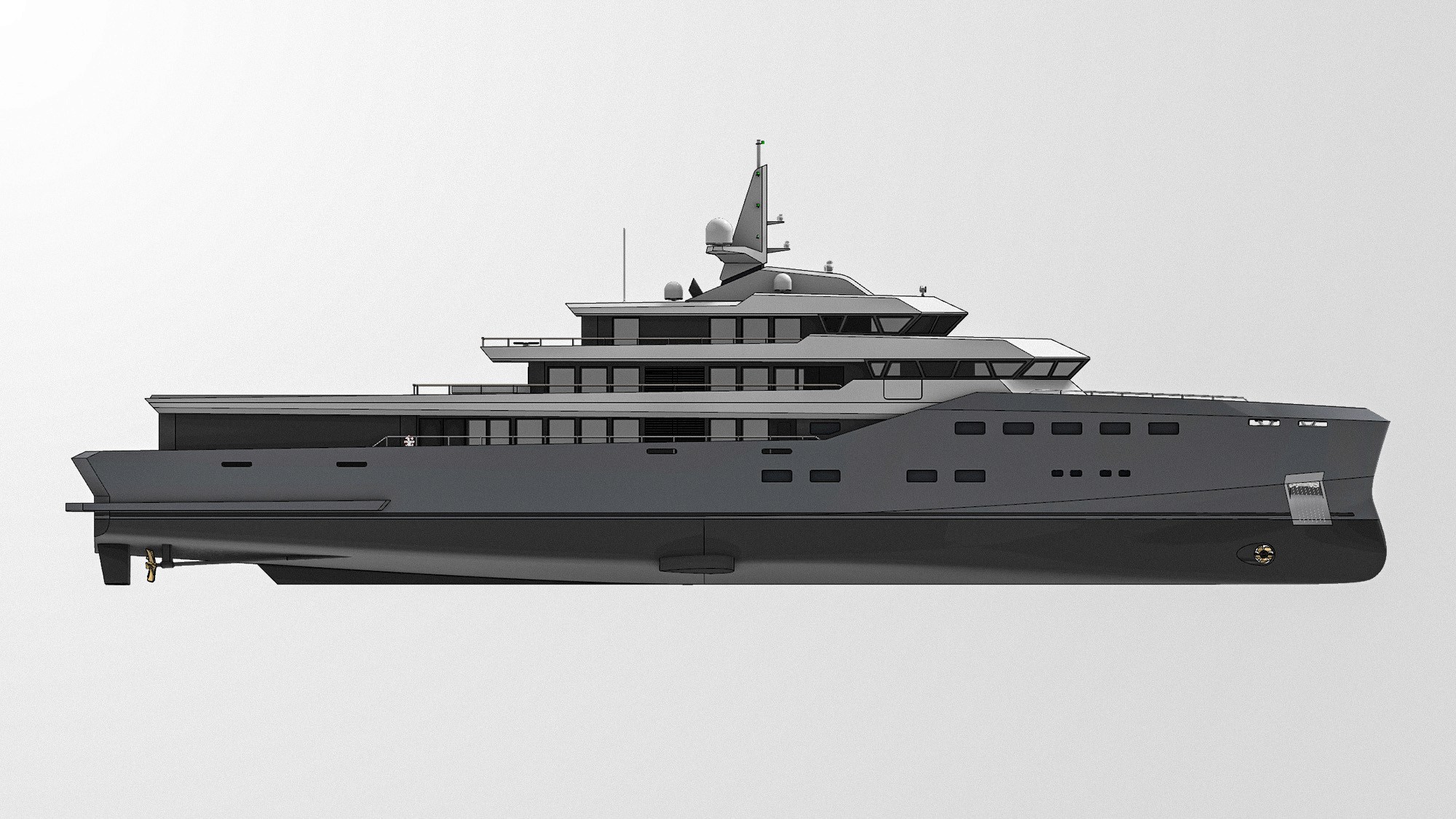
From there we defined the design implications and built them into the concept targets:
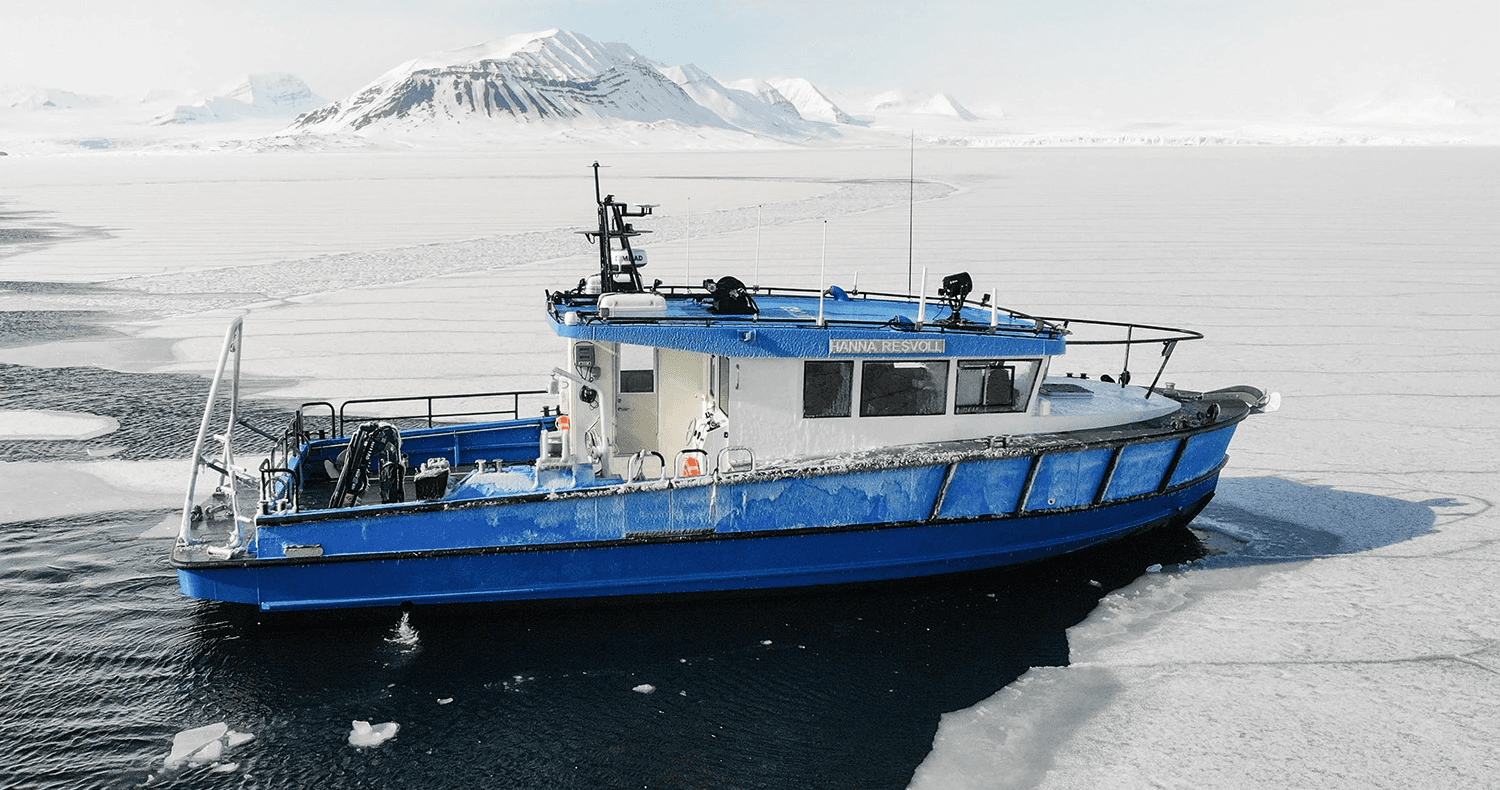
Ice-capable, Polar Code-driven thinking (Category A/B ambition vs. the more common Category C “summer only” approach).
Ice reinforcement and “no weak appendages” philosophy to support real-world robustness.
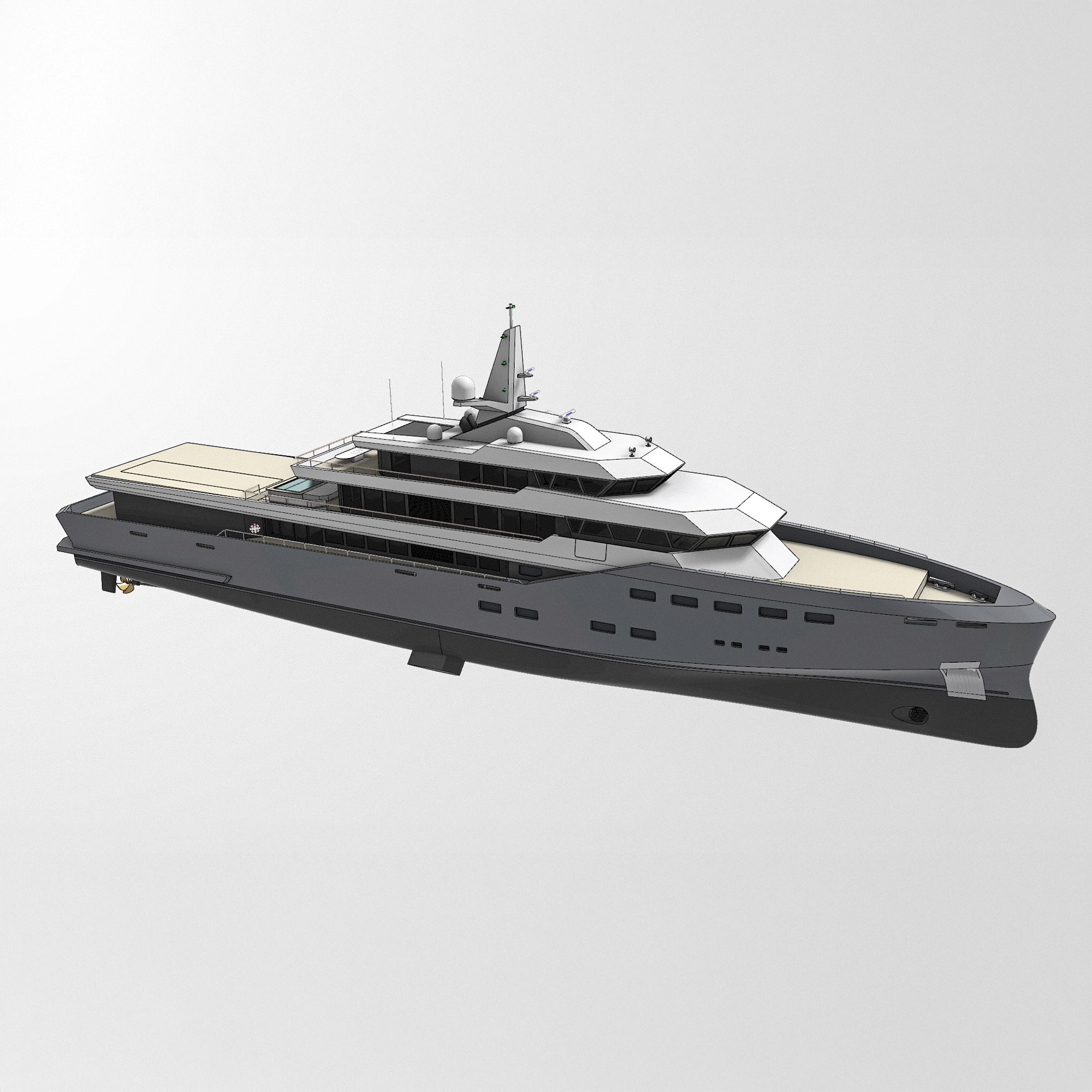
Enclosed bridge wings and equipment choices suited for sub-zero operations.
Autonomy in range and provisions (targeting ~30+ days / ~5,000 nm) plus increased storage for waste streams typical of long remote operations.
Redundancy and safety baked in early (enclosed lifeboat provisions, dry-suit storage allowances, and capacity planning for tenders and helicopter operations).
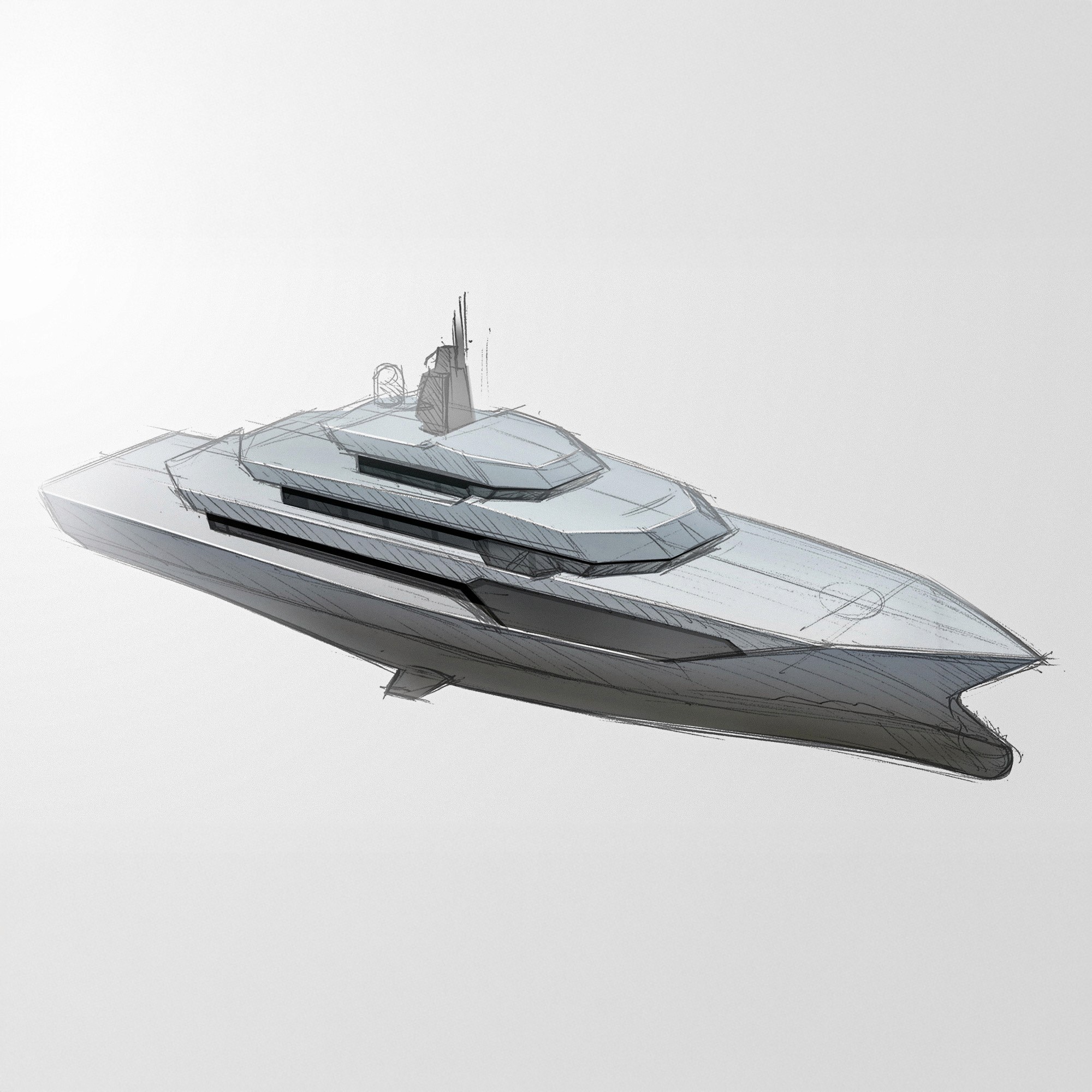
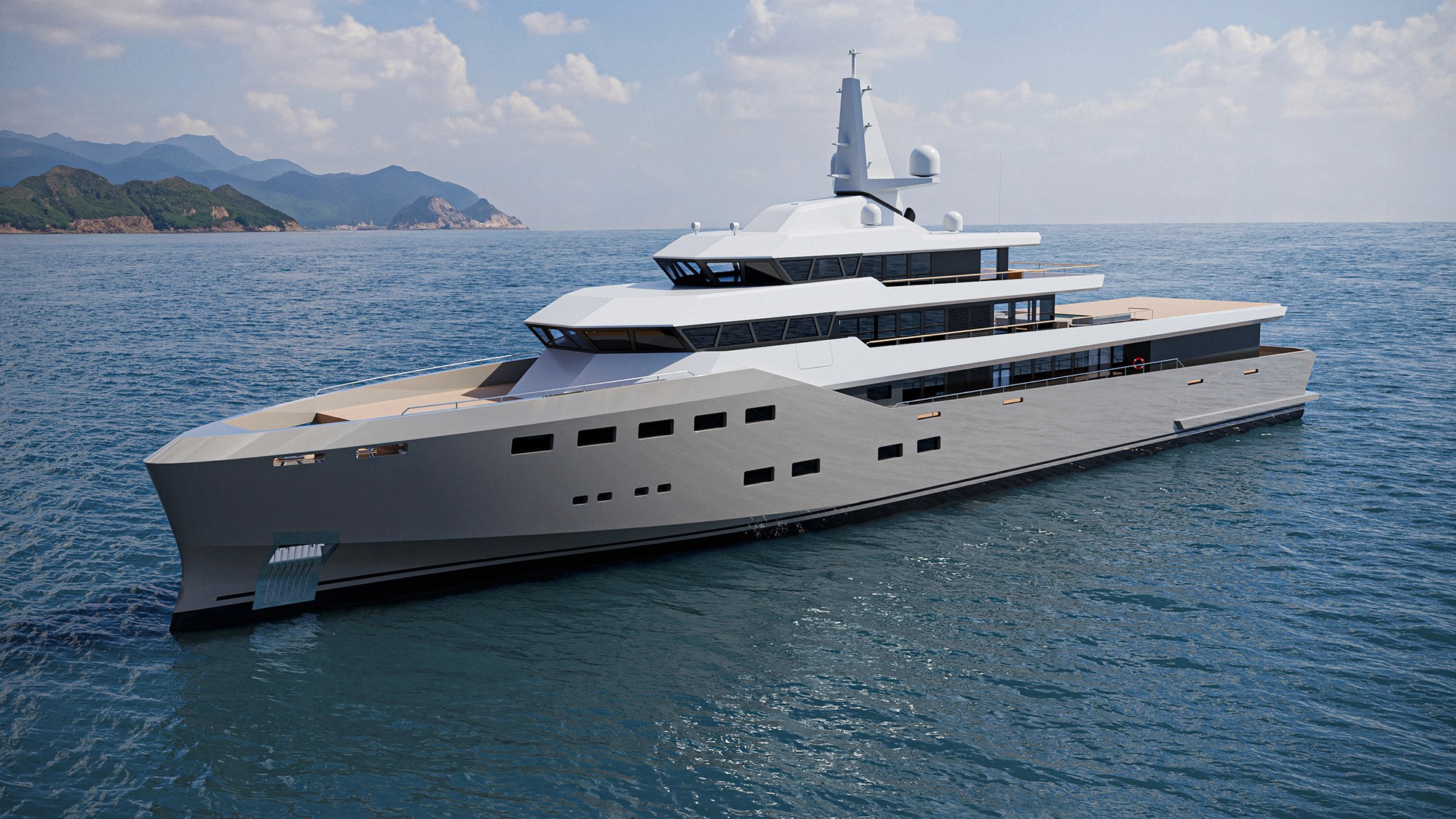
The design intent was equally deliberate. The concept is not a glossy yacht—it’s “utilitarian yachting”: simple, robust, honest, and fit-for-purpose, with a contemporary, mid-leaning exterior language and a Nordic/Scandinavian interior direction focused on clear lines, openness, and durable warmth.
The final output combined strategy and visuals: concept aims and positioning, exterior and interior ideation, multiple profile directions, and a 3D-rendered proposal that communicates capability without theatrics.
Not your glossy yacht—a compact, scalable explorer platform built around capability.