At R2 Marine, hull development is approached as a balance between hydrodynamic performance, operational understanding, engineering discipline, and creative exploration.
The role of hull design is to unlock the full potential of a vessel through the balance of performance, behavior and efficiency. Our role is to understand the vessel, the mission, and the sea — and bring them together through design.
Hull Design Variables
01 / 06
Every vessel operates within a complex system of interacting variables where performance, stability, comfort, structural behavior, propulsion, and operational requirements continuously influence one another.
Optimizing one factor in isolation can impact many others. The art and science of hull design lies in finding the right balance for the intended mission.
Performance & resistance
Speed, power requirements, efficiency
Manufacturing
Construction methods, tolerances, material considerations
Stability
Initial stability, dynamic stability, extreme stability criteria
Spray & green water management
Spray formation, deck wetness, water deflection
Safety & survivability
Buoyancy, reserve flotation, damage stability
Crew comfort & human factors
Accelerations, noise, vibrations, visibility, ergonomics
Propulsion interaction
Propeller flow, thrust deduction, ventilation, cavitation
Operational profile
Mission requirements, speed range, sea states, endurance
Structural loads & integrity
Slamming loads, hydrostatic pressure, structural strength
Weight & CG management
Displacement, center of gravity, longitudinal balance
Shaping the Hull Concept
02 / 06
From the first sketches onward, the focus is placed on how the vessel is expected to behave dynamically across its intended operating envelope. Hull proportions, deadrise, chine configuration, longitudinal balance, loading sensitivity, spray behavior, and propulsion integration are all considered as part of the early concept development process.
Experience plays an important role during this phase. Certain behaviors and compromises can often be anticipated early through accumulated understanding of how similar hull types behave in practice, particularly in demanding operating conditions where subtle design decisions may significantly influence comfort, controllability, or stability.
Iterative Development
03 / 06
As the concept develops, CFD simulations, stability evaluations, and seakeeping analyses are integrated into the process to verify and refine the hull’s behavior.
Simulation results are continuously interpreted against practical understanding gained from experience, sea trials, and real-world operational feedback.
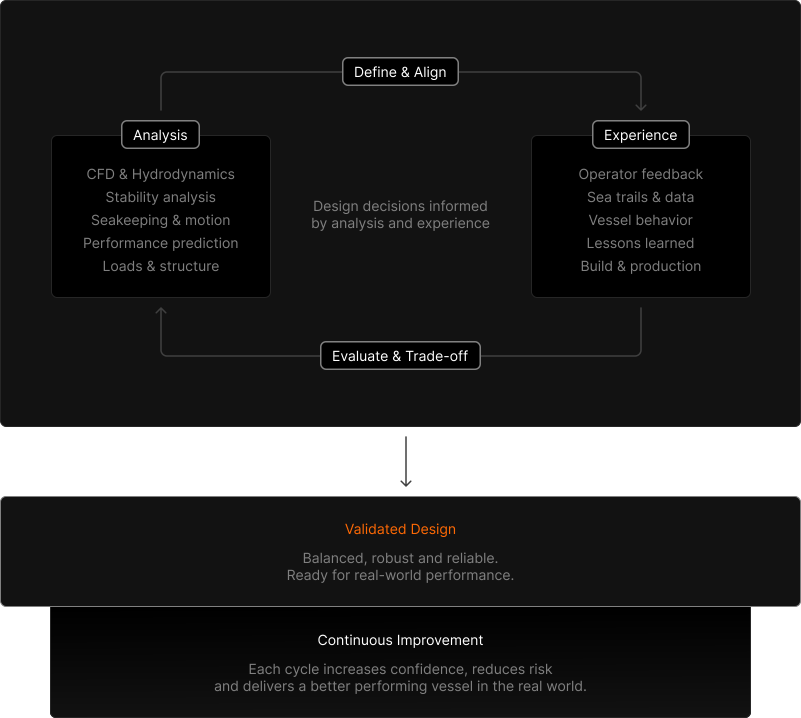
This iterative process allows design decisions to be evaluated from multiple perspectives simultaneously. In some cases, a theoretically efficient solution may introduce operational compromises elsewhere — for example in loading sensitivity, controllability, comfort, or behavior in heavy weather.
With every iteration, the relationship between performance, control, comfort, and vessel behavior becomes more clearly understood.
CFD, Stability and Seakeeping
04 / 06
CFD analysis forms an important part of the hull development process by allowing hydrodynamic behavior to be evaluated early and refined throughout development.
Typical evaluations include resistance and power requirements, running attitude, wetted surface behavior, pressure distribution, spray formation, propulsion interaction, and potential hydrodynamic instabilities — particularly for high-speed craft operating across broad speed ranges.
At the same time, stability and seakeeping analyses are used to evaluate how the vessel behaves dynamically in realistic operating conditions.
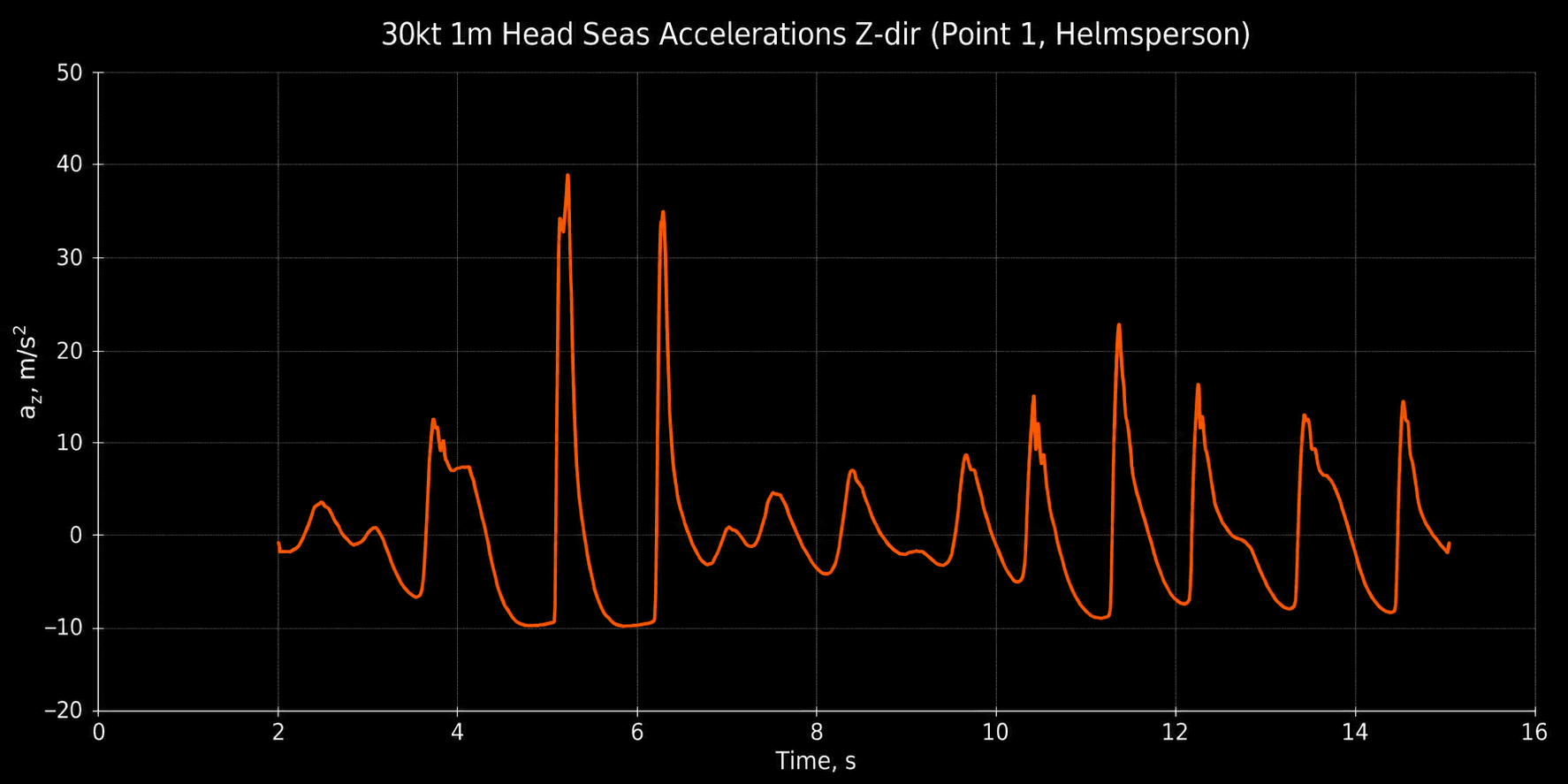
Seakeeping analyses help assess:
Vessel motions and accelerations
Slamming tendencies
Crew exposure levels
Bow immersion and recovery behavior
Green water management
Operability in severe weather
For professional vessels, these characteristics directly influence operational effectiveness, safety, crew endurance, and long-term usability.
Hull Types
05 / 06
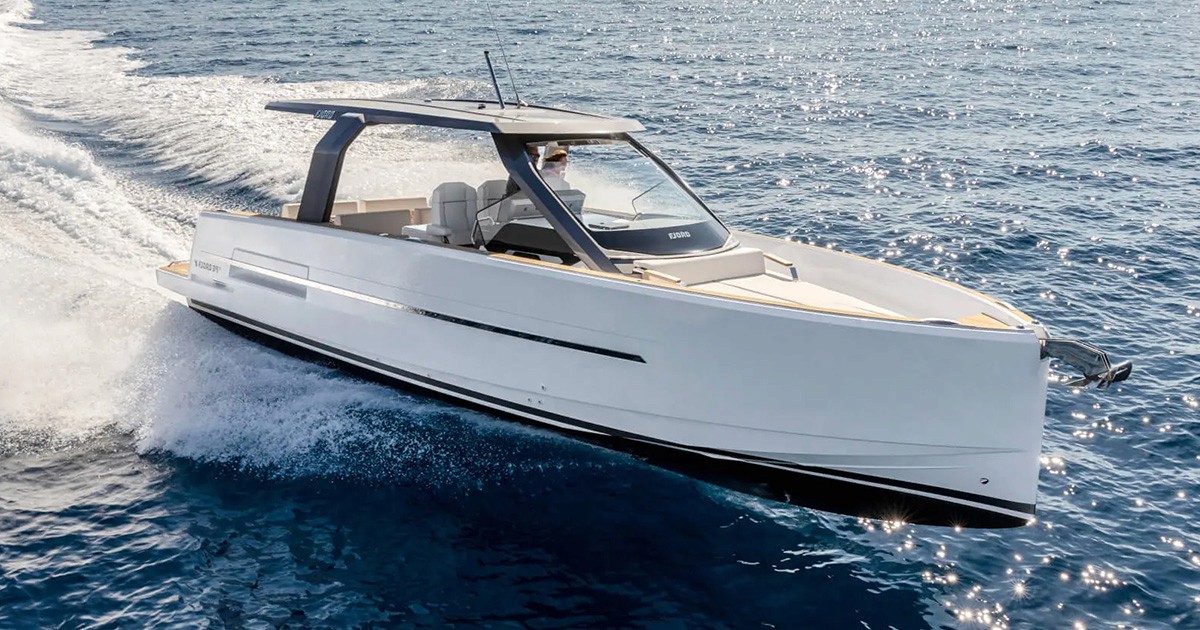
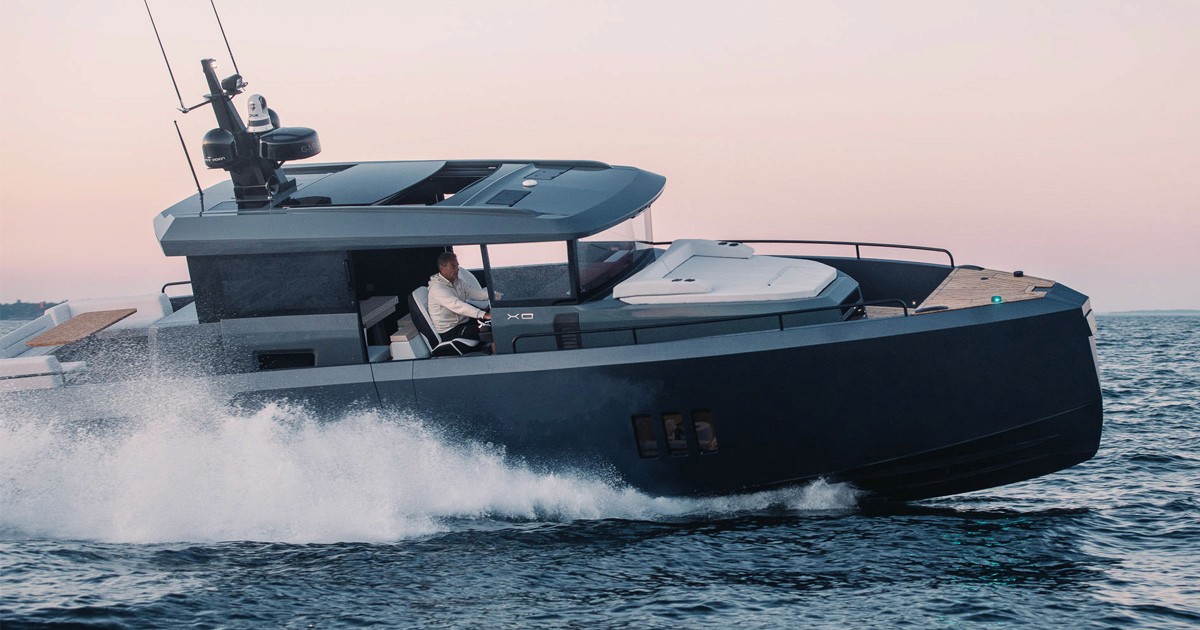
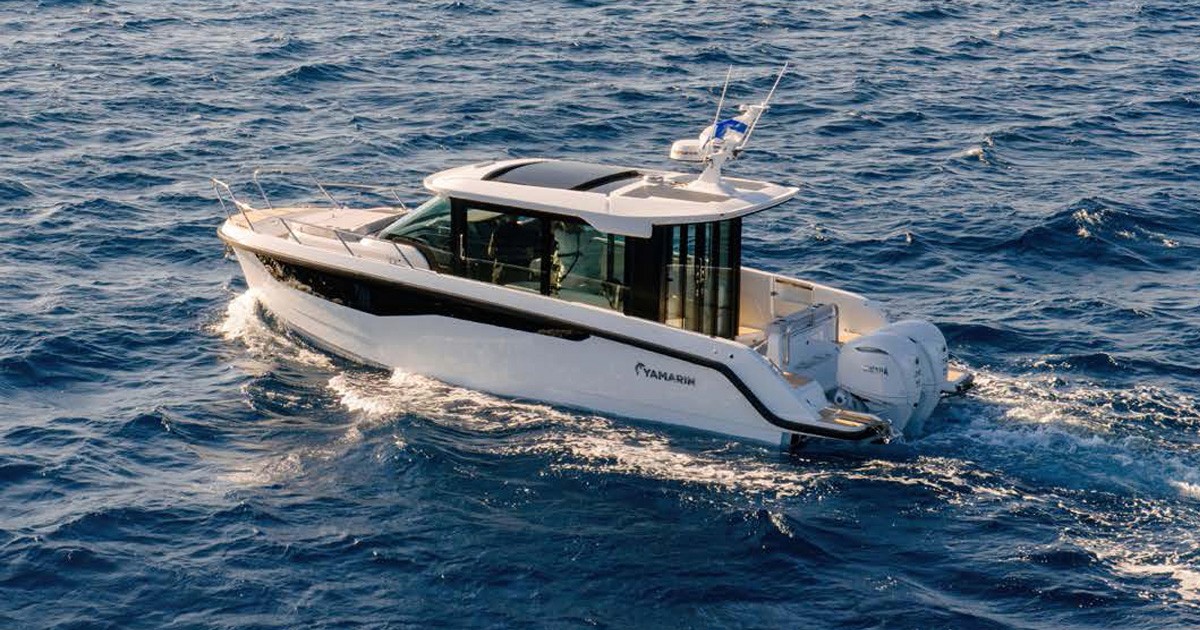
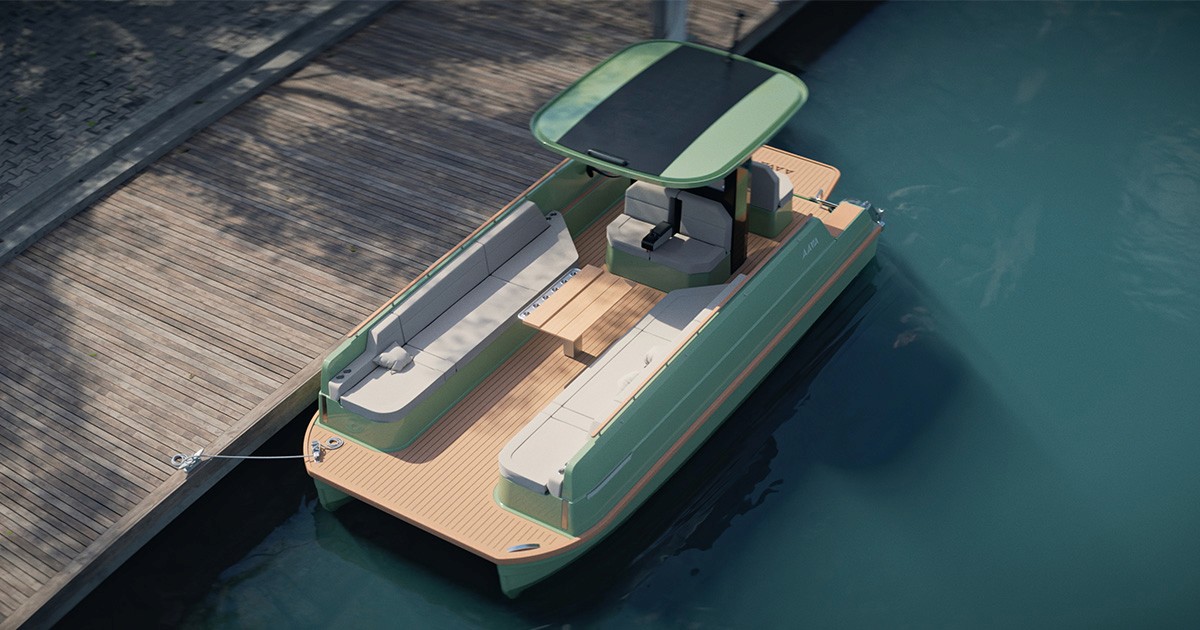
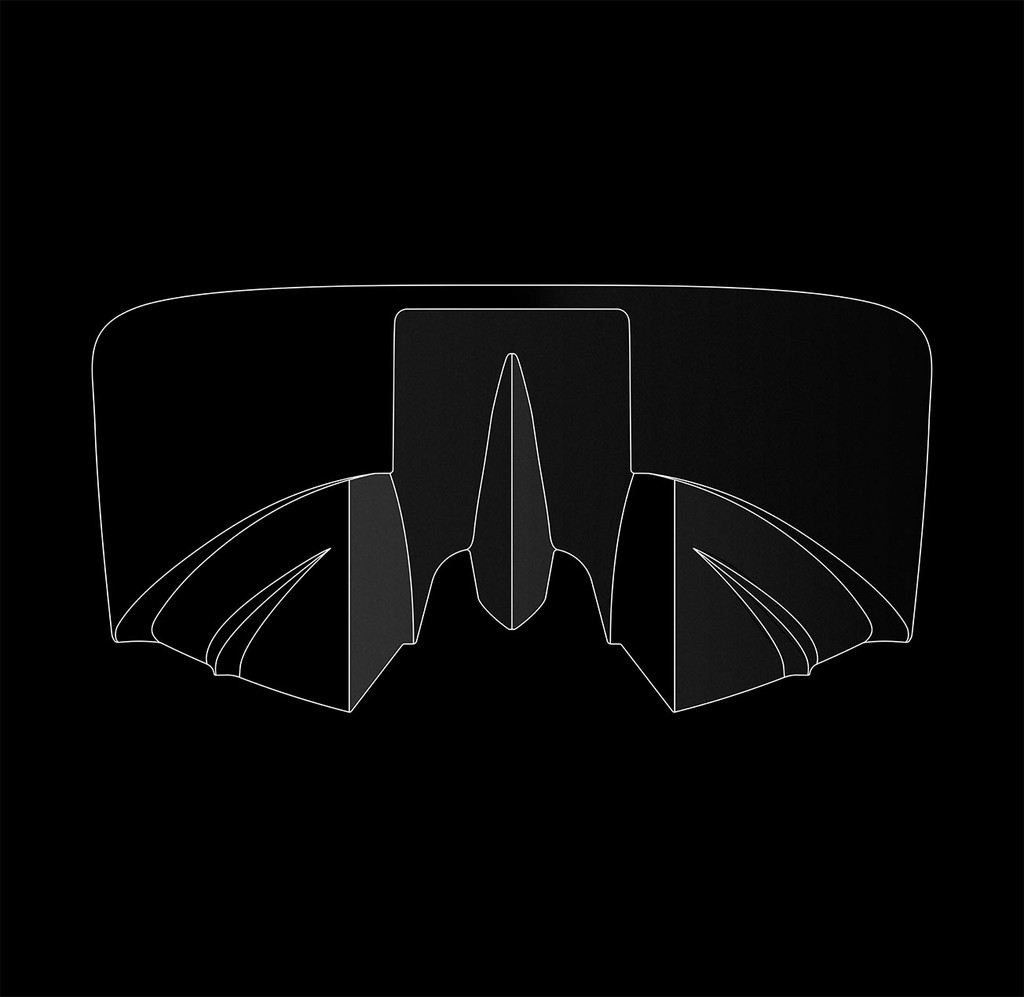
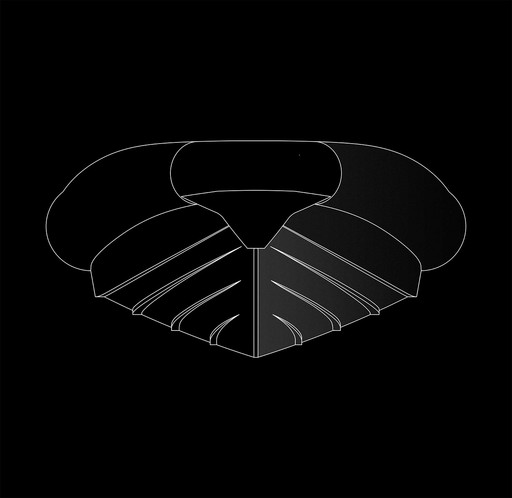
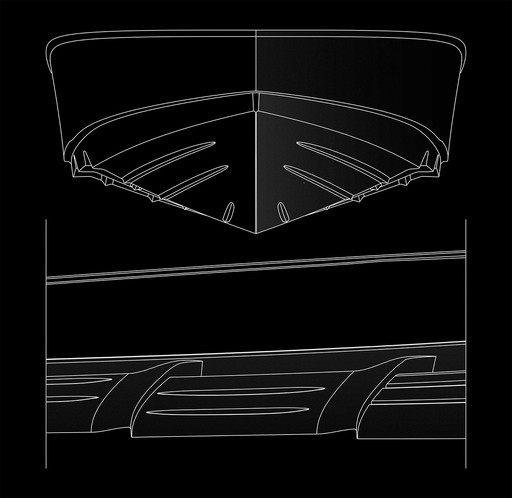
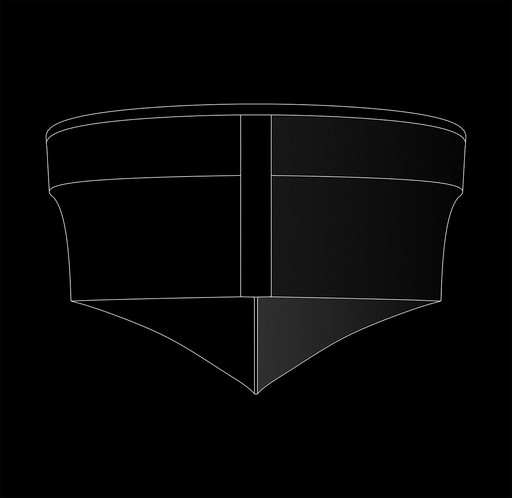
Different hull forms have different natural homes — a speed range, a sea state, a type of mission where they simply work better than anything else. Each comes with its own strengths and its own tradeoffs. Knowing both is where the design conversation starts. A few most common examples below.
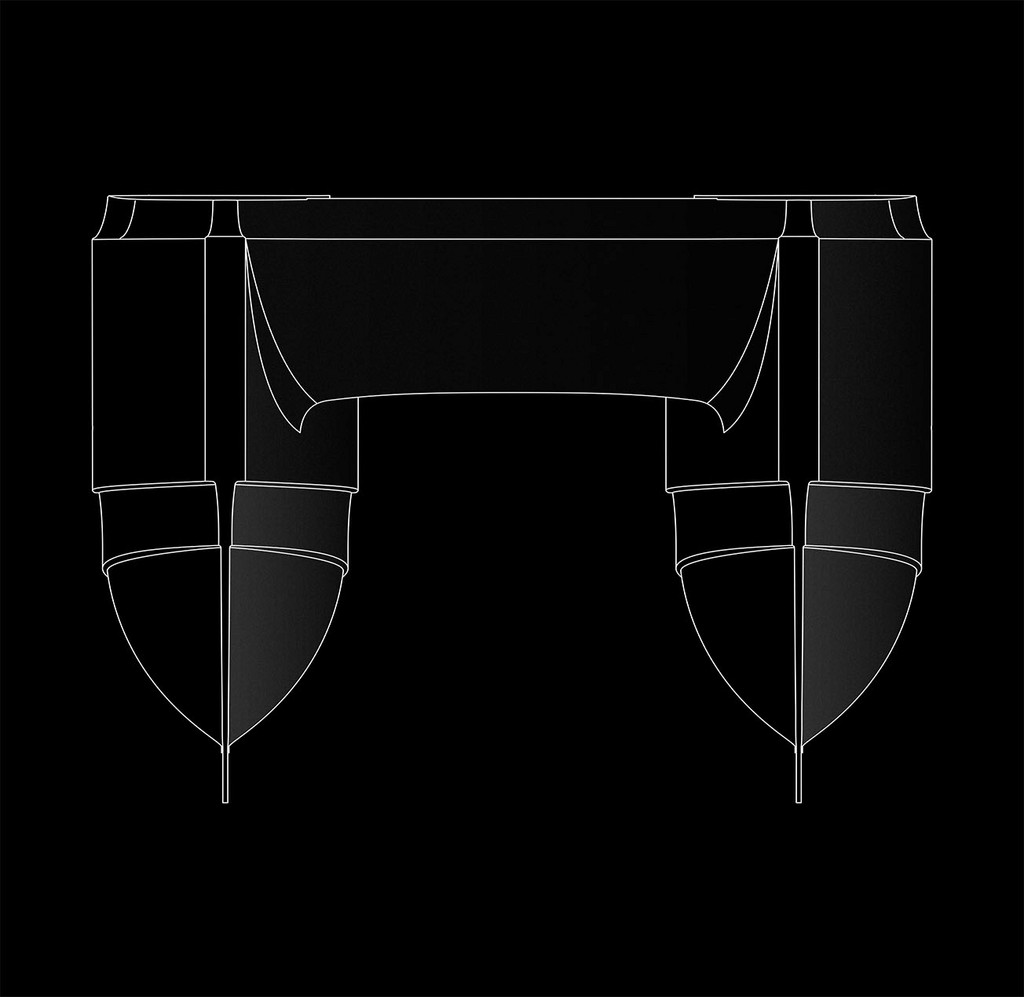

Foil assist
Conclusion
06 / 06
The result of this process is a hull shaped not only by analysis, but by a clear understanding of how design decisions translate into real behavior at sea. Performance targets, simulation results, and accumulated operational knowledge are brought together to develop a vessel that performs consistently across its intended operating envelope.
Hull development is never a finished process. Each project builds a deeper understanding of how proportions, geometry, and engineering choices interact — knowledge that carries forward and informs the next iteration, the next concept, and the next vessel.
That continuity is what allows increasingly refined and capable hulls to be developed over time.