Serial production boat design starts with a different question than one-off projects. It's not about fulfilling a single brief well — it's about creating something that can be built repeatedly, sold consistently, and used reliably across a wide range of conditions and customers. That distinction shapes every decision from the first sketch forward. The skills involved overlap with custom design, but the priorities are different, and so is the measure of success.
Product Definition Comes First
01 / 07
Before proportions, styling, or layout, a serial production boat needs a clear product idea. Who uses it, in what conditions, and for what primary purpose. These aren't abstract marketing questions — they are the design brief. A well-defined product idea gives every subsequent decision a reference point: what supports the concept, and what doesn't.
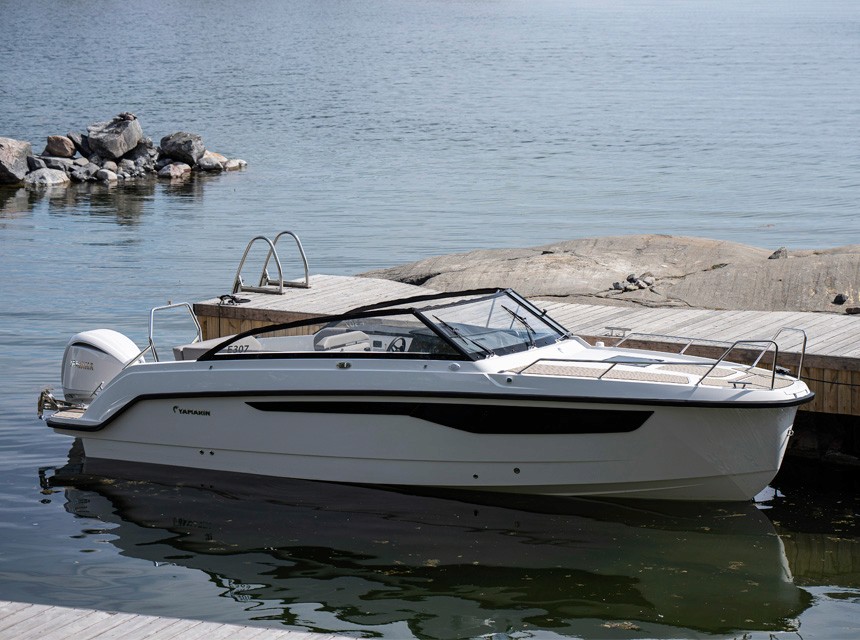
This definition also determines what the boat doesn't need to be. A day boat optimized for coastal family use doesn't need to perform like an offshore cruiser, and trying to make it do both usually means it does neither particularly well. Knowing the boundaries is as important as knowing the goals.
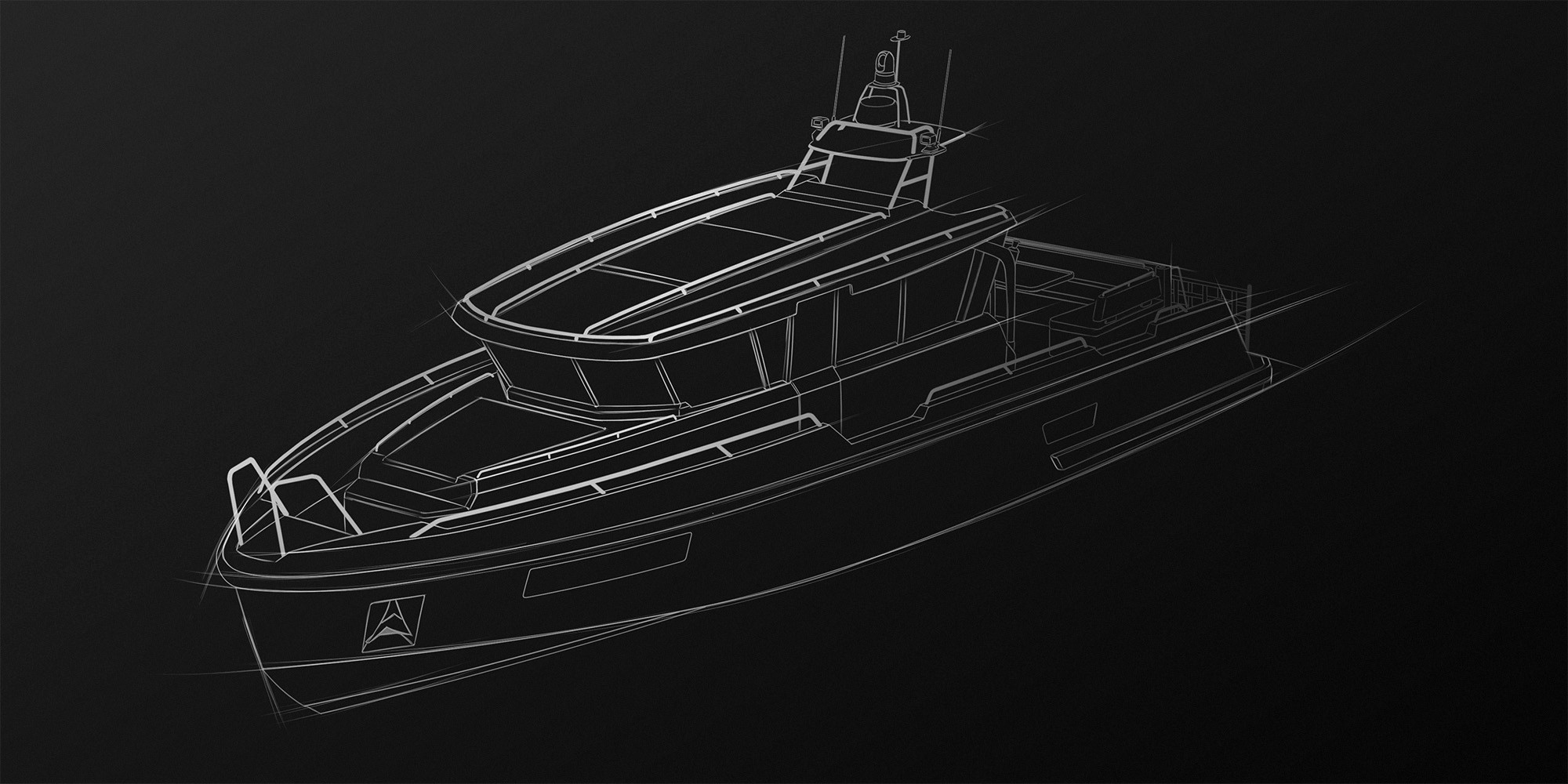
Without that clarity, development tends to drift. Features get added to cover more use cases, layouts become generic, and the result is a boat that tries to do too much without doing anything particularly well.
Design as a Platform
02 / 07
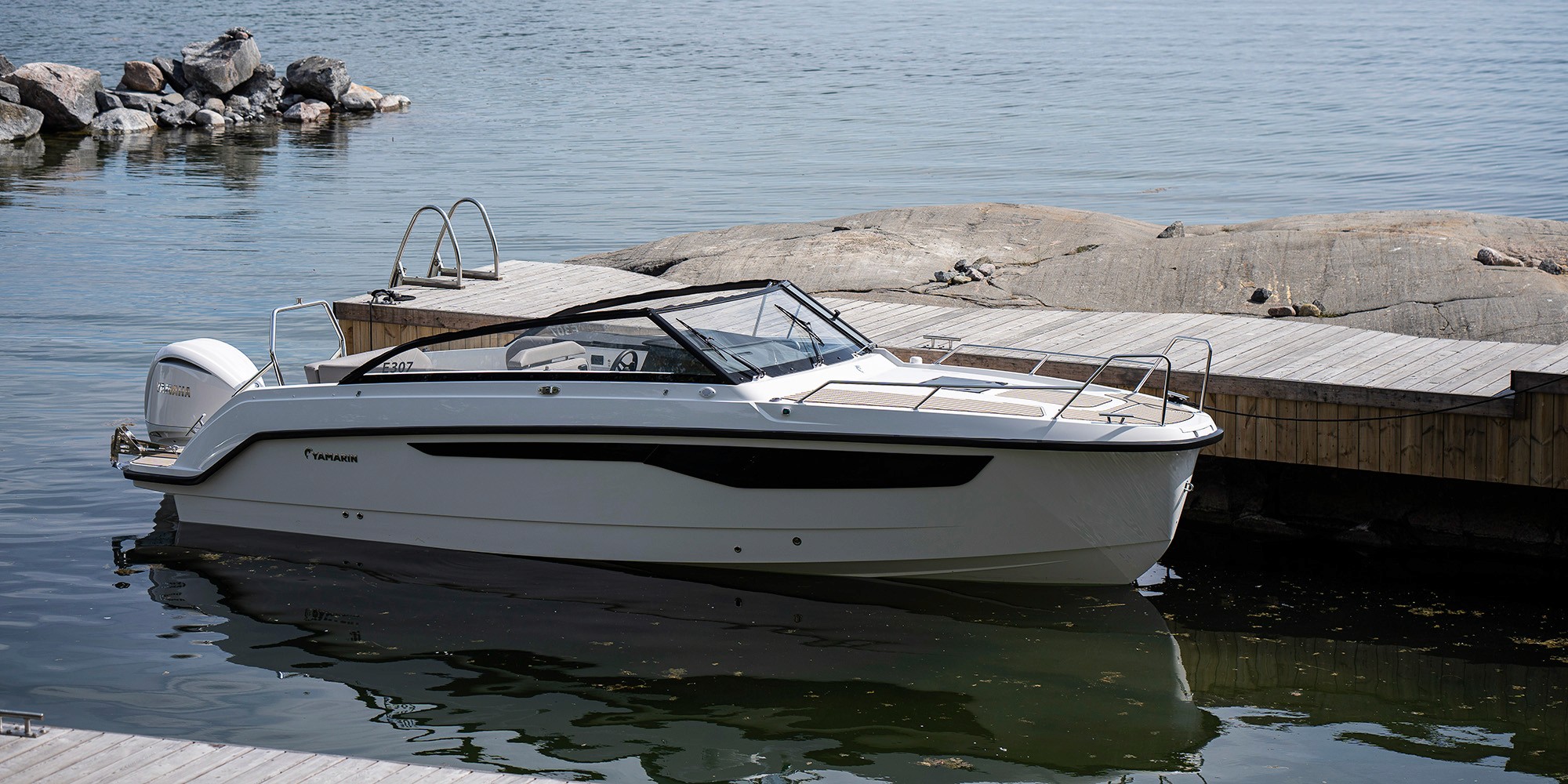
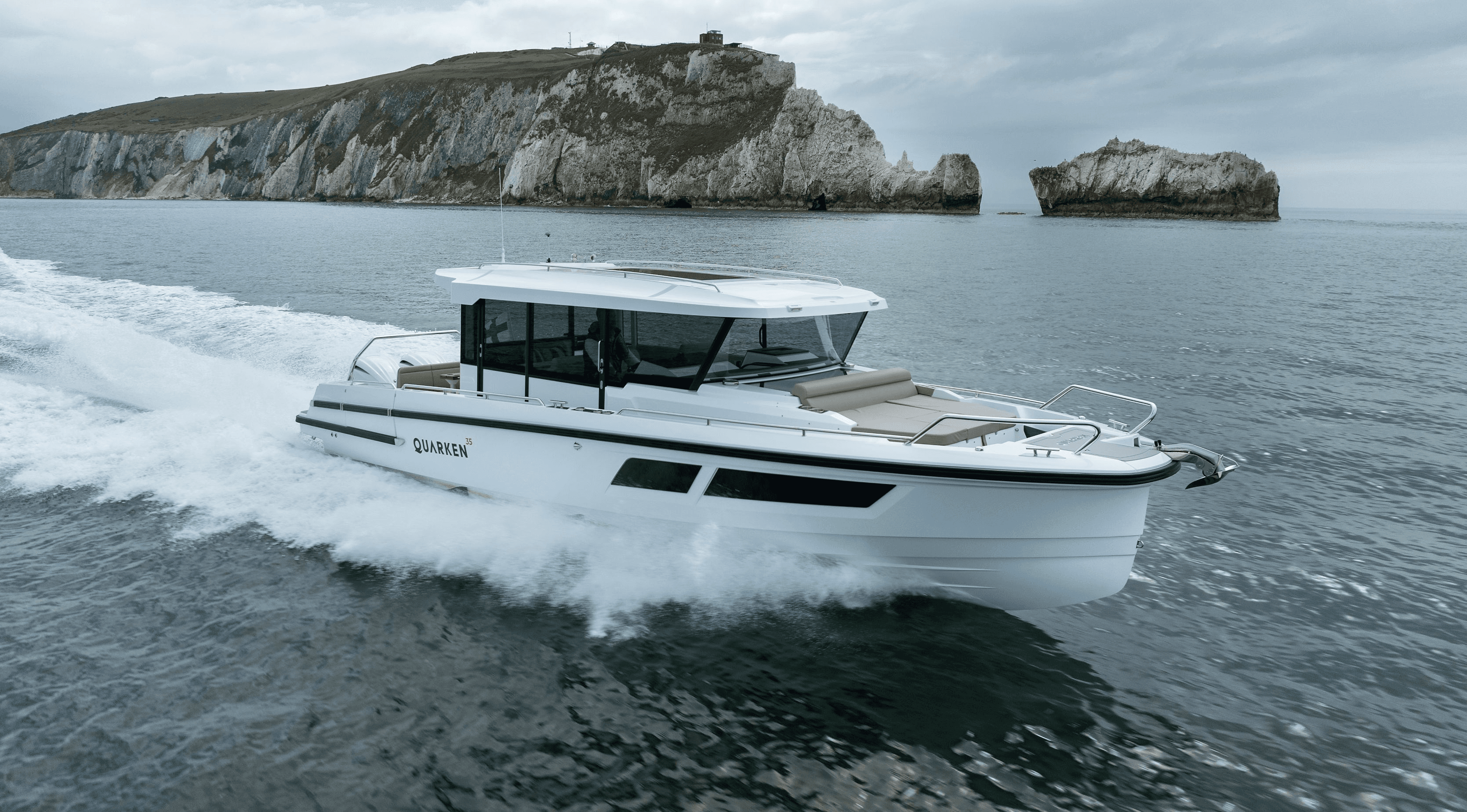
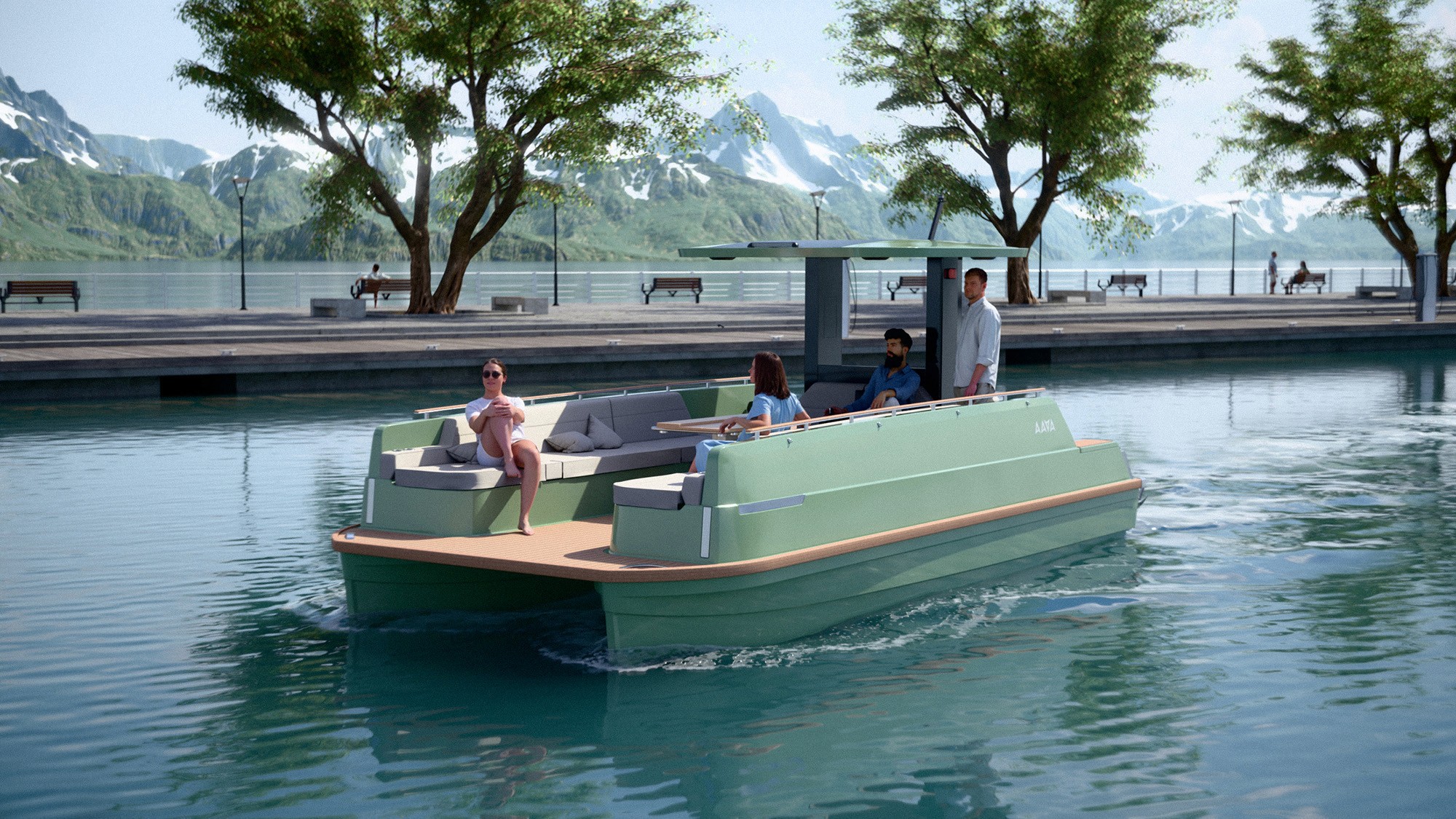
The most efficient serial production programs are built around platform thinking. Proportions, structural logic, layout principles, and visual language are established once and carried across models — so each new addition to a range develops from a shared foundation with known constraints and proven solutions, rather than starting from scratch.
Platform thinking also changes how design decisions are evaluated. A choice that works well for a single model but breaks the system logic isn't a good choice in a production context. Every decision is assessed not just for its immediate effect, but for how it fits within the broader architecture of the range.
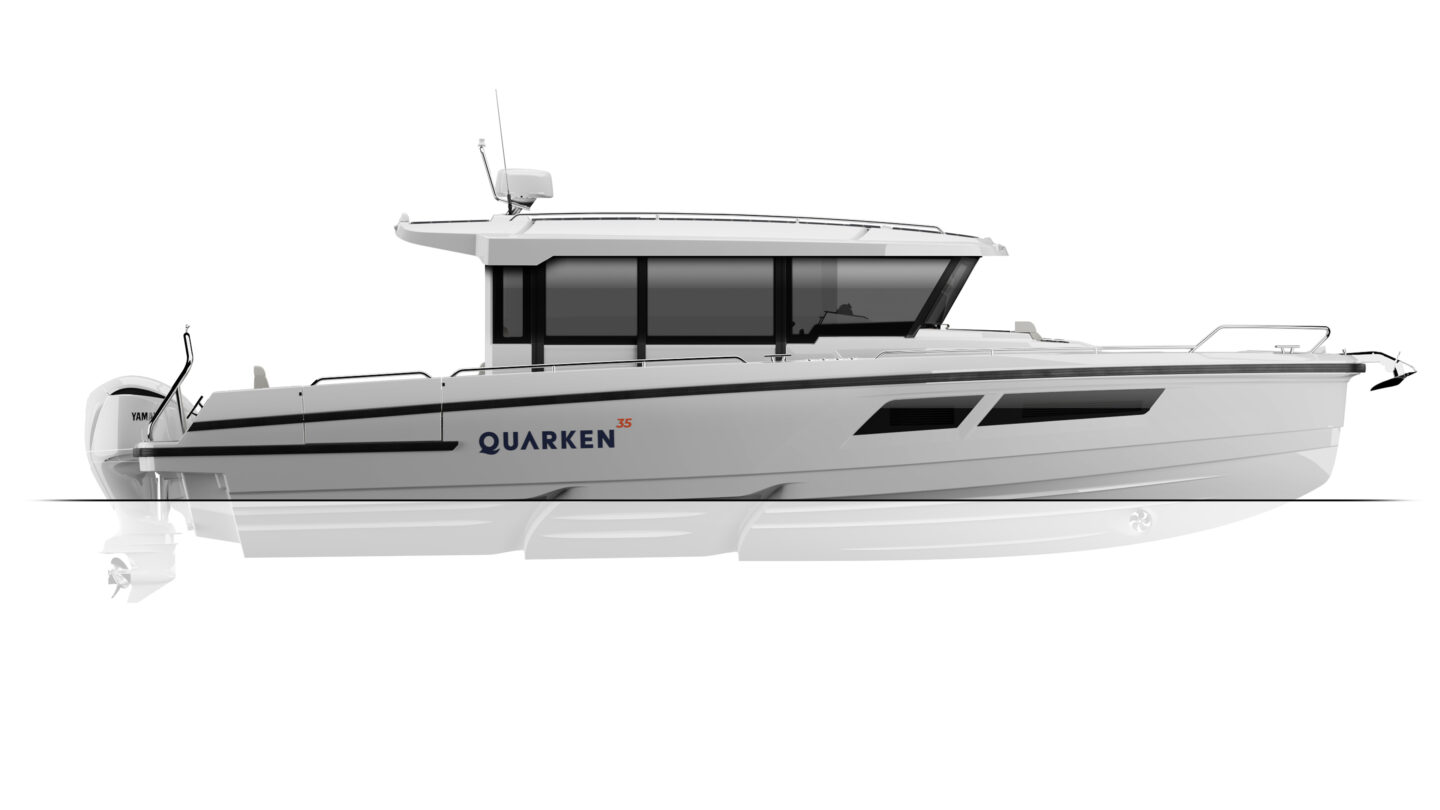
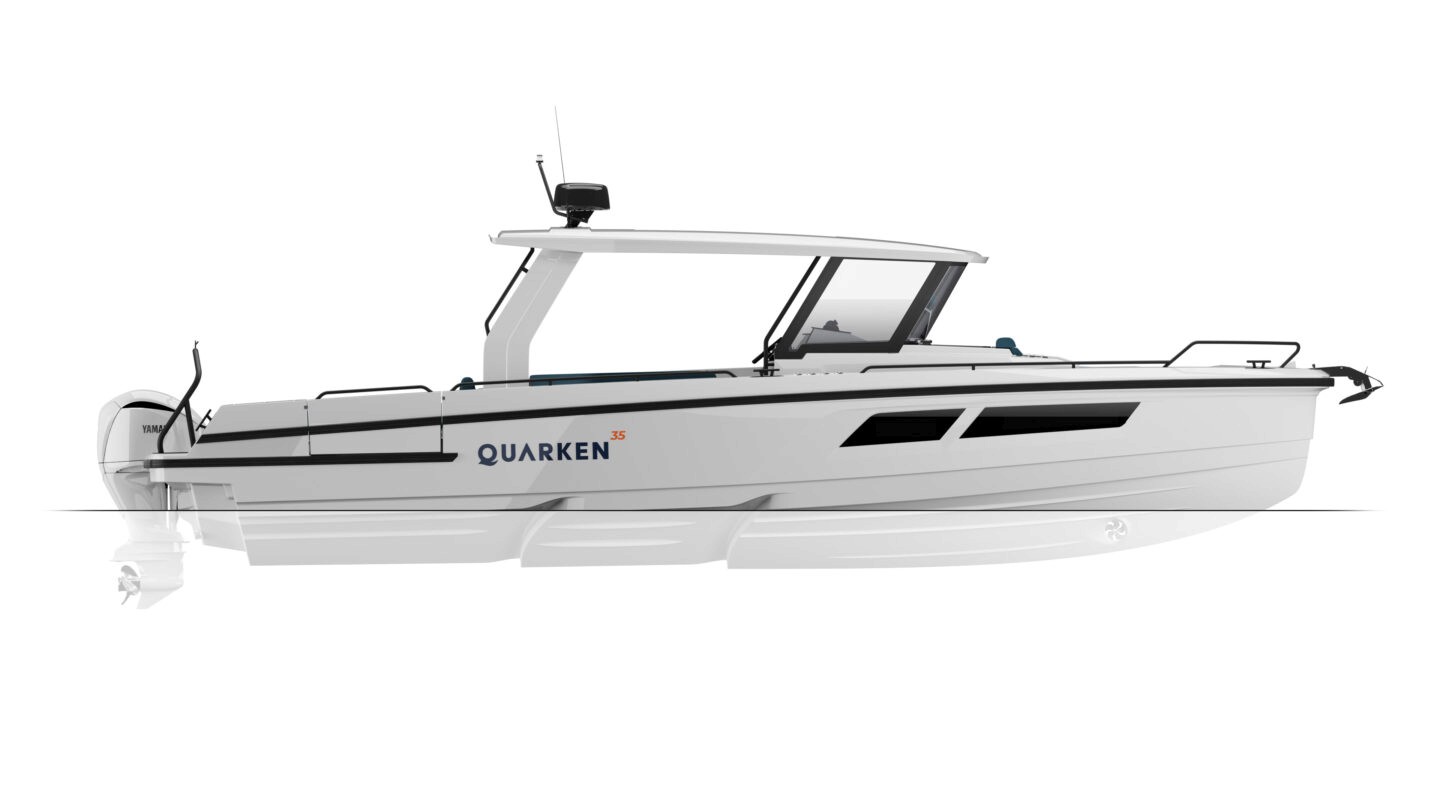
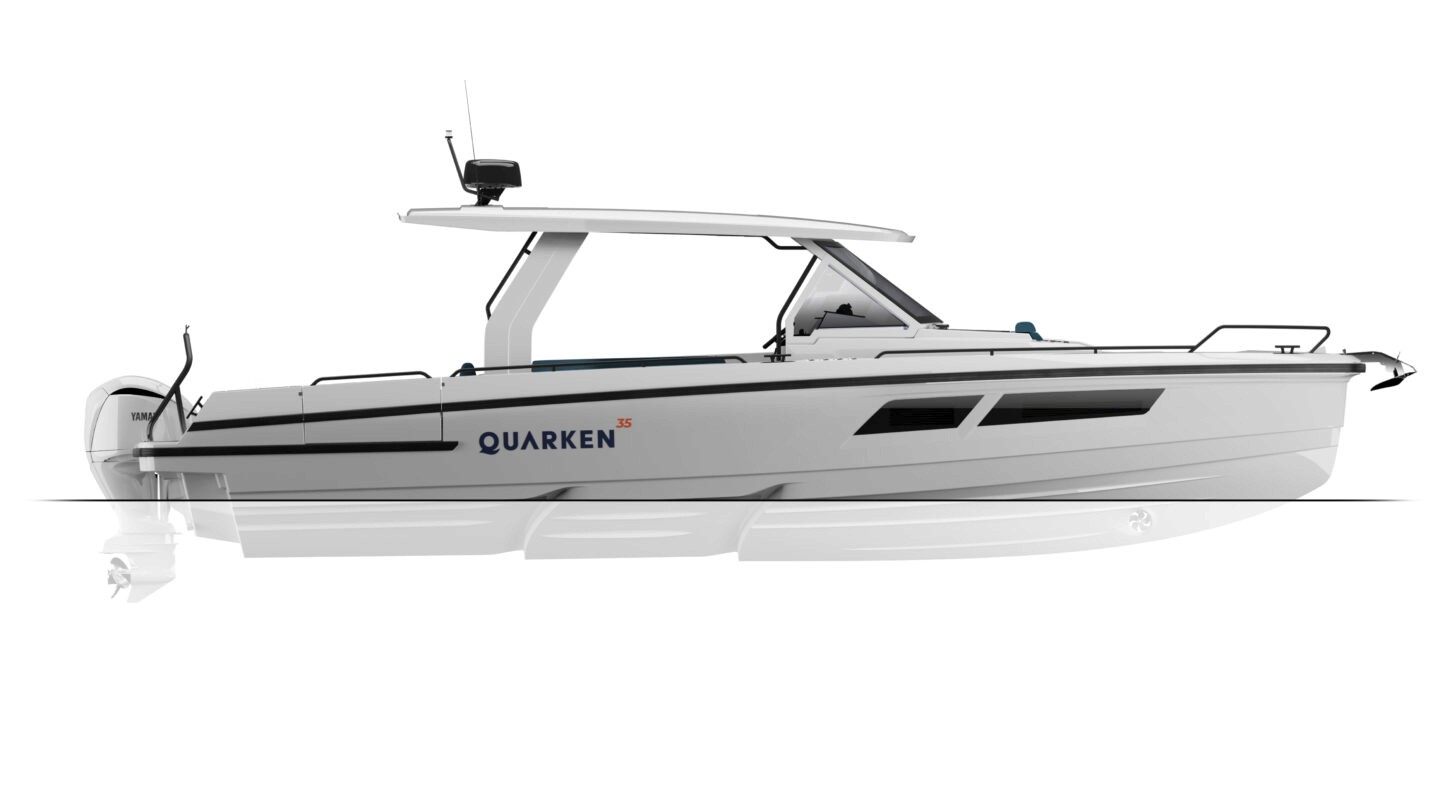
The result is faster development, more consistent manufacturing, and a product family that reads as coherent to the market. A well-built platform also makes the brand recognizable across models without relying on surface styling to carry that work. Over time, it becomes one of the platform's most valuable assets.
Visual Quality in Boat Design
03 / 07
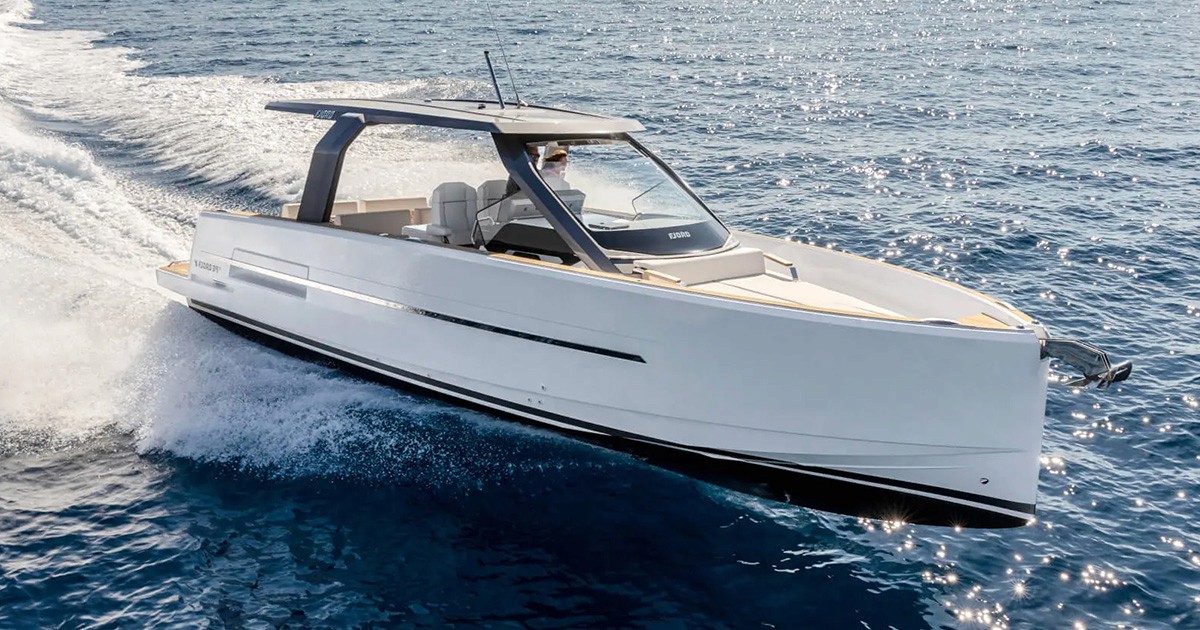
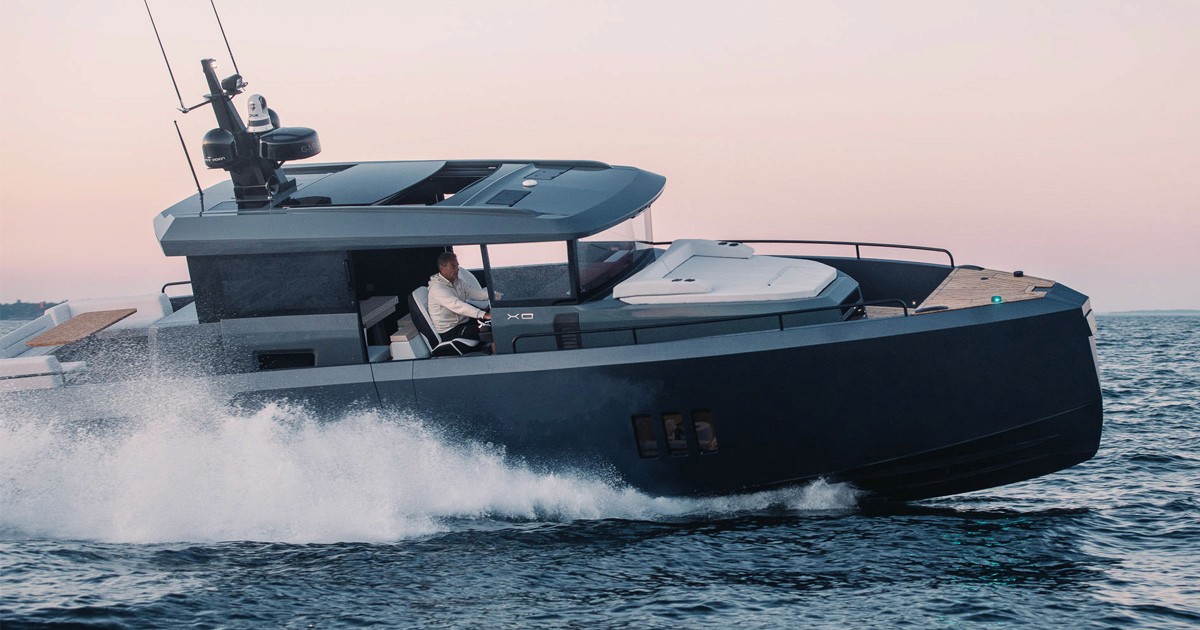
Visual quality in boat design is largely a matter of proportion — the relationship between hull volume, superstructure height, deck area, and overall mass distribution. When these relationships are right, the boat looks balanced and resolved from every angle, and minimal styling is needed to reinforce that. When they're off, no amount of detail work fully compensates.
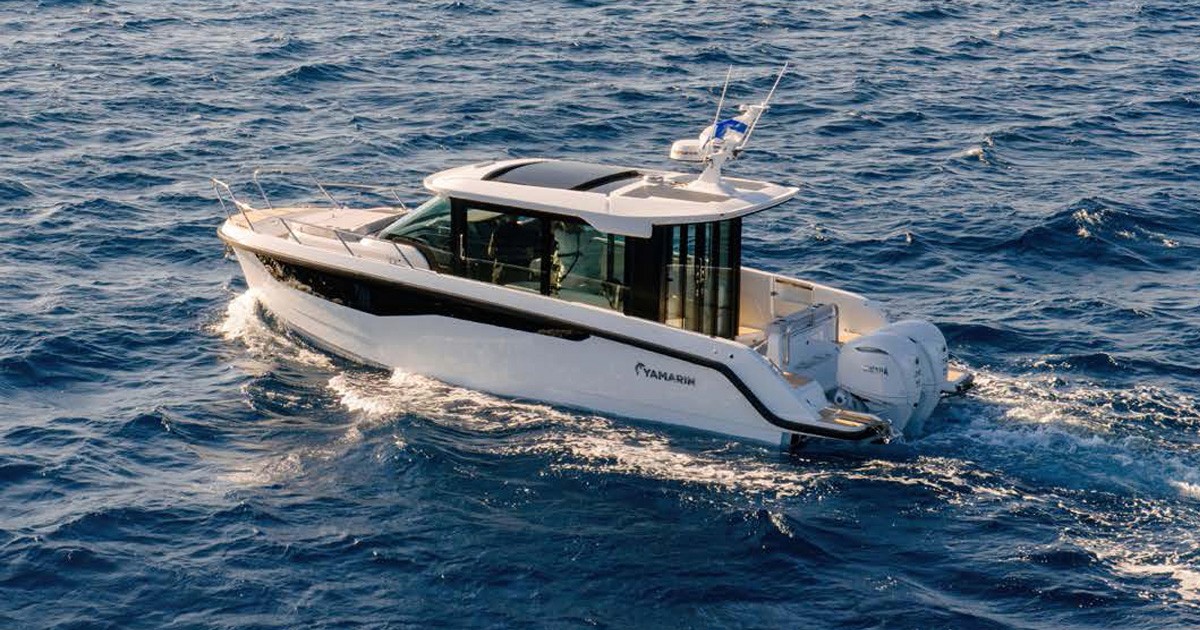
Proportion is also what gives a product family its visual coherence. When models across a range share the same fundamental relationships — the same sense of mass, the same balance between hull and superstructure — they read as a family without needing identical styling.
There's a practical dimension too. Proportion decisions made at the concept stage set the ceiling for everything that follows. Getting them right early reduces the need for structural and layout revision later — and in serial production, late-stage changes carry real cost and risk.
Usability Is Engineered, Not Added
04 / 07
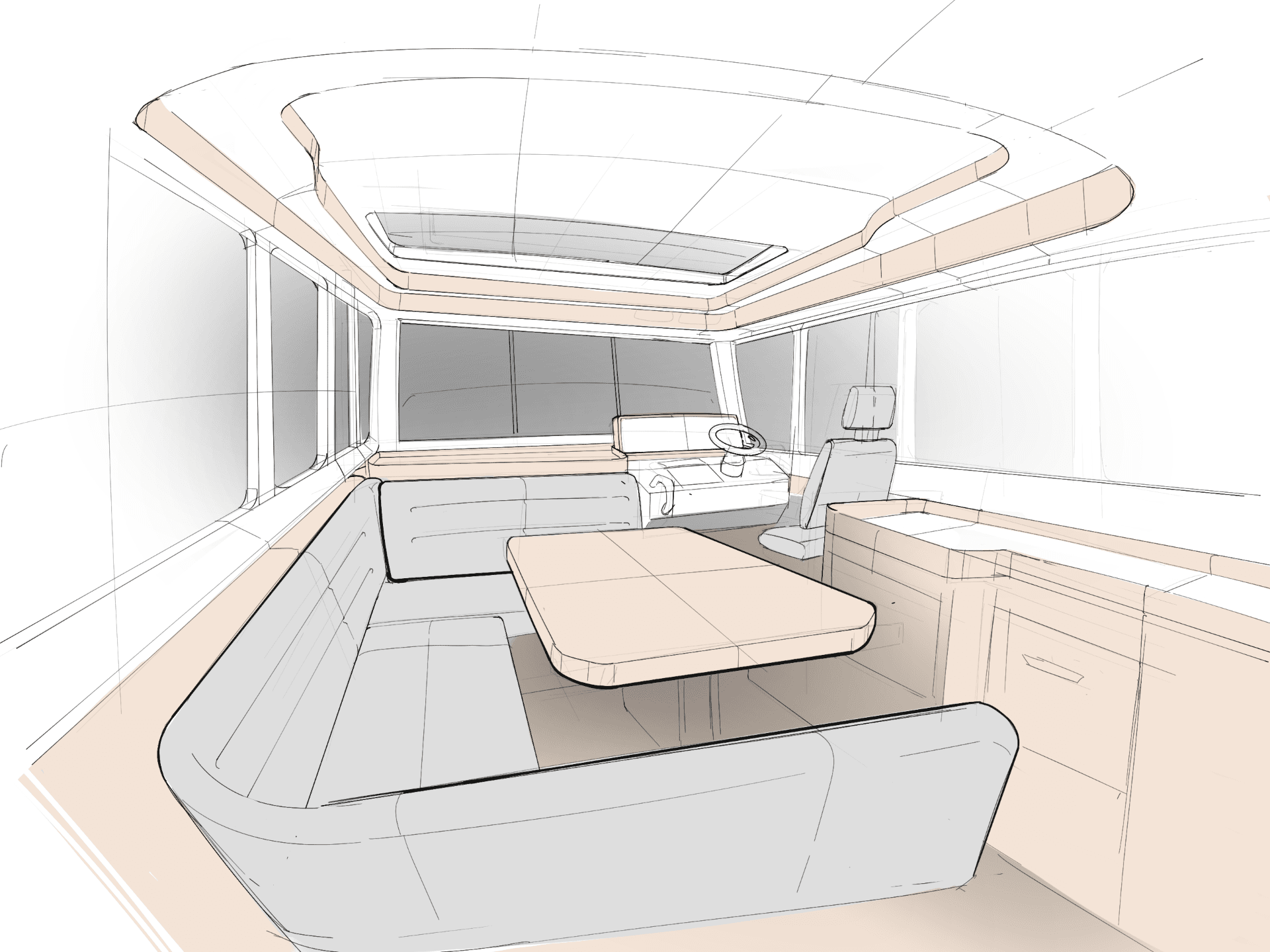
Onboard experience in a production boat isn't something that can be refined at the end of the process. Movement between spaces, helm ergonomics, boarding and docking behavior, sightlines, and the logical zoning of the deck all need to be considered structurally and early. These are the things users encounter every time they use the boat, and they define perceived quality as much as anything visible.
A useful frame: design for the least experienced user in the target group, without limiting the product for the most experienced. When layout logic, control placement, and spatial flow are clear enough for someone new to the boat, they become invisible to someone familiar with it. That's the standard a well-designed production boat should meet.
Surface-level solutions to ergonomic and spatial problems rarely hold up over time. The goal is a layout that feels self-evident — one that requires no instruction to navigate.
Discipline Over Accumulation
05 / 07
Serial production rewards restraint. Each feature added to a design carries cost, weight, and complexity — and often dilutes the clarity that makes a product easy to understand, sell, and use. The strongest production boats are defined as much by what was left out as by what was included.
The pressure to accumulate features is real and comes from multiple directions: sales teams, competitive benchmarking, customer feedback, internal enthusiasm for new technology. Managing that pressure requires a clear product definition to return to. When a proposed addition can't be justified against the core product idea, the default answer should be no.
This isn't about minimalism as a style preference. It's about maintaining an honest relationship between the product idea and every element that ends up in the boat — and holding that relationship through the full production run.
Production Integration from the Start
06 / 07
A design that works on screen but creates problems on the factory floor isn't a finished design. Manufacturing methods, assembly sequence, tooling implications, and structural logic need to be part of the conversation from early in development. Serial production means the same decisions get executed hundreds of times, so small inefficiencies compound quickly and inconsistencies become visible across units.
This is where the relationship between design and engineering becomes especially important — not engineering overriding design intent, but finding solutions that serve both. The best outcomes come from that collaboration happening continuously, rather than in a handoff at the end.
Bringing production thinking in early reduces cost, improves build consistency, and protects the design intent through to the finished product. The goal is a design that's as well-considered for the people building it as it is for the people using it.
What Makes It Work
07 / 07
Serial production boat design works when a clear product idea runs through the entire process — from definition through platform development, proportions, usability, and manufacturing integration. Each of these areas reinforces the others. Weakness in any one of them tends to surface across all of them.
What separates a product that performs well at launch from one that holds up over a full production lifecycle is the consistency of that through-line. Products that drift — where manufacturing compromises the design, feature additions blur the concept, or proportions shift without considering the platform — lose coherence over time. Holding the original intent through every stage of development is the work.
The result, when it comes together, is a product that's recognizable, buildable, and consistent — not just at launch, but across its full production life.